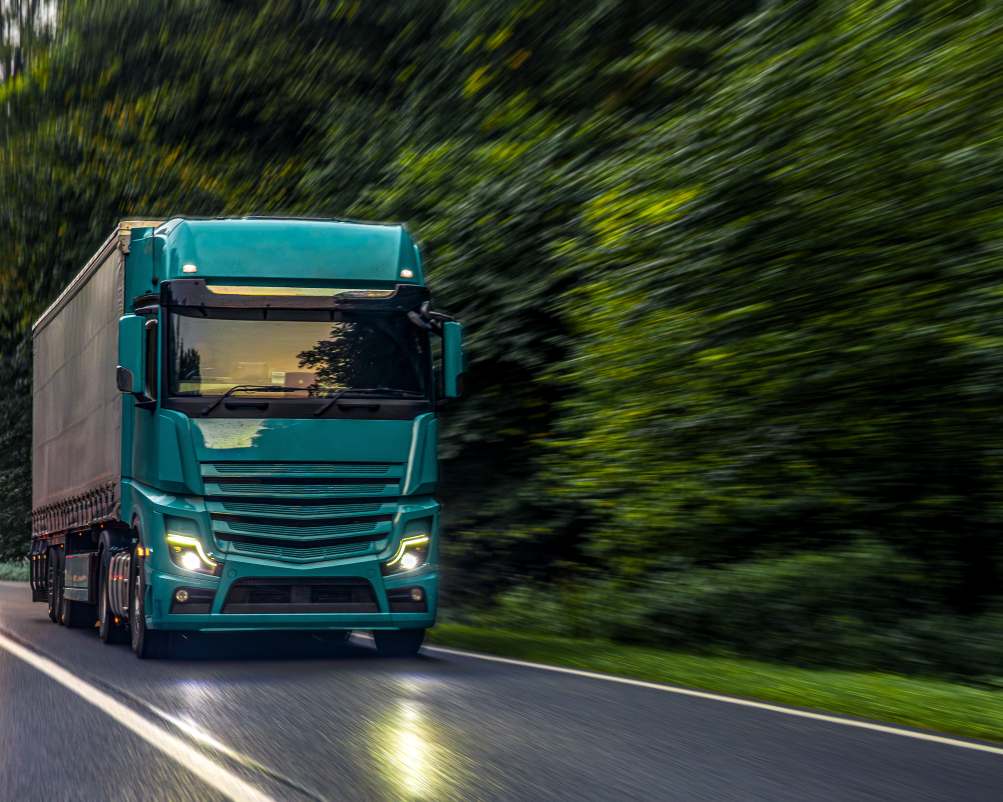
Temperature controlled logistics — cold chain freight — is the transport of goods kept within specific temperature ranges from collection to delivery. Getting it wrong means spoiled goods, failed audits and legal liability.
What Is Cold Chain Logistics?
Cold chain logistics refers to the unbroken sequence of temperature-controlled handling from production through to final delivery, including refrigerated vehicles, monitored loading and continuous temperature logging.
Temperature Ranges Explained
Deep frozen cargo requires -18°C to -26°C. Chilled products require +1°C to +8°C. Pharmaceutical cargo typically requires +2°C to +8°C. Ambient controlled goods require monitoring between +15°C and +25°C.
How Refrigerated Vehicles Work
Modern refrigerated trailers use diesel or electric refrigeration units maintaining precise temperatures regardless of external weather. Temperature sensors monitor cargo areas continuously and data is logged digitally.
Legal Requirements
Transport of food products is governed by the Food Safety Act 1990, Temperature Control Regulations and retained EU food hygiene regulations. HACCP procedures are required for all food businesses.
Choosing a Cold Chain Partner
Key factors: full temperature audit trails on every shipment, HACCP-compliant operations, a modern refrigerated fleet with regular calibration, and experience handling your specific product category.
Interscan Limited operates a specialist refrigerated fleet capable of maintaining -26°C to +26°C. Every cold chain shipment includes full digital temperature logging.